Carnosine
A dipeptide of beta-alanine and histidine that buffers cellular stress and glycation—sold as an oral supplement.
A dipeptide of beta-alanine and histidine that buffers cellular stress and glycation—sold as an oral supplement.

Carnosine
Wellness products may list collagen hydrolysates, copper peptides, or research compound names— we decode the jargon.
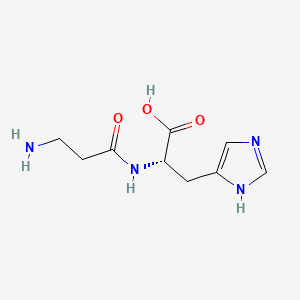 ✨ real molecule sketch
This peptide is a short chain of about 4 amino acids—think of it as a tiny protein necklace on your label.
INCI: Carnosine · ~4 amino acids in our simplified view
Counts and links from public databases (PubMed, ClinicalTrials.gov, Wikidata, NIH drug nomenclature). Educational only — not medical advice.
Knowledge base: chemical compound — Wikipedia
PubMed: 3178 indexed papers (search PubMed)
Clinical trials: 75 studies on ClinicalTrials.gov (view search)
ChEMBL: CARNOSINE · max phase 3.0
DailyMed labels: 1 SPL
Carnosine acts as an antioxidant and anti-glycation agent in muscle and brain tissue. Oral supplementation aims to support exercise recovery and cognitive aging, though absorption of intact carnosine is debated (the body may break it down to beta-alanine). Topical carnosine also appears in anti-aging skin care.
Longevity supplement stacks, sports nutrition aisles, and some anti-glycation skin serums.
Educational only—not medical advice. Not prescribing or dosing guidance. Talk to your doctor before starting any peptide protocol.