Epithalon
A four-amino-acid peptide studied for telomerase activity and circadian rhythm—popular in longevity communities.
A four-amino-acid peptide studied for telomerase activity and circadian rhythm—popular in longevity communities.

AEDG peptide
Wellness products may list collagen hydrolysates, copper peptides, or research compound names— we decode the jargon.
Reference values from published sources—not prescribing or dosing advice. Cosmetic INCI peptides do not belong here; injectable and prescription contexts only.
Source: PubMed epitalon
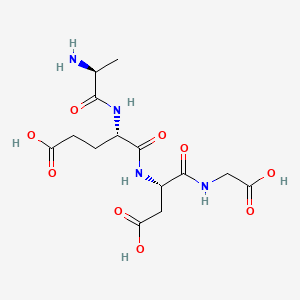 ✨ real molecule sketch
This peptide is a short chain of about 4 amino acids—think of it as a tiny protein necklace on your label.
INCI: AEDG peptide · ~4 amino acids in our simplified view
Counts and links from public databases (PubMed, ClinicalTrials.gov, Wikidata, NIH drug nomenclature). Educational only — not medical advice.
Knowledge base: chemical compound — Wikipedia
PubMed: 62 indexed papers (search PubMed)
ChEMBL: CHEMBL1161331
Epithalon (Ala-Glu-Asp-Gly) was developed from pineal gland extracts in Russian research. Animal and cell studies suggest telomerase activation and melatonin regulation. Human data is limited; most use is off-label or research-only. Not an approved drug in the US or EU.
Longevity clinics, research peptide vendors, and anti-aging forums—not mainstream retail.
Educational only—not medical advice. Not prescribing or dosing guidance. Talk to your doctor before starting any peptide protocol.